

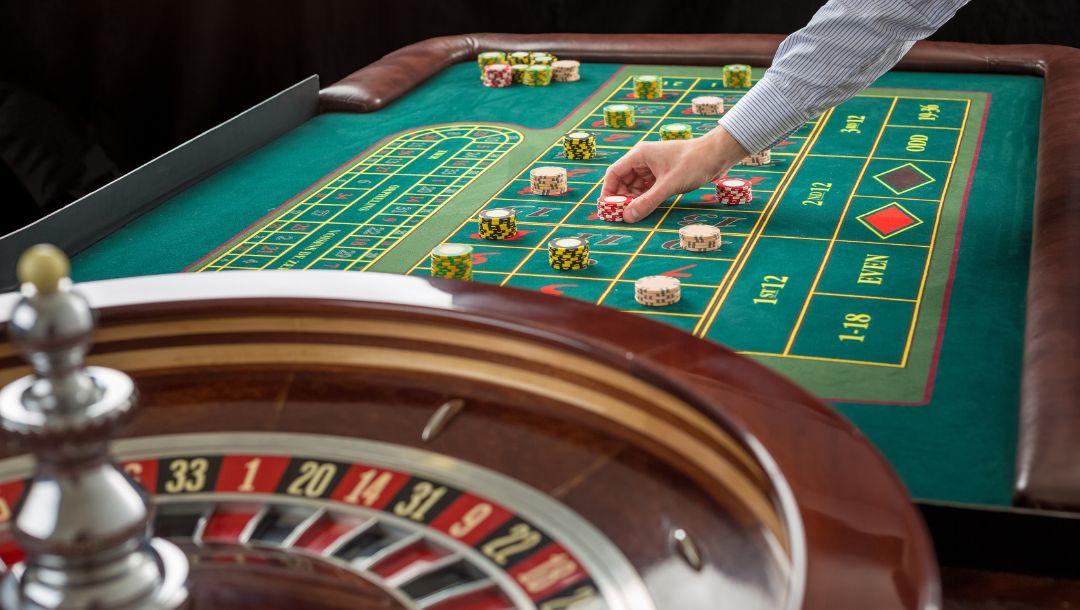
We frequently start a gambling session with a clear plan, but that plan can dissipate once the game draws us in. A reality check is a basic tool that interrupts that fade. It gives us a factual snapshot of how long we have been playing and how much money we have funded, wagered, or lost. Instead of trusting memory or mood, we see numbers that reflect our true activity. At ta en nærmere titt, we feel this sort of pause is not a punishment. It is a way to keep gambling as a type of entertainment rather than an habitual habit. In this guide, we outline how reality checks work, how to pair them with deposit limits, session time limits, loss limits, and self-exclusion, and how to identify when a break or outside help is required. We address players who are new to responsible gambling tools and want practical steps, not judgment.
Identifying the Signs That You Need a Break
Self-checks work best when we know what to watch for. Some indicators are clear, like adding more funds than intended, trying to recover losses, or borrowing money to gamble. Others are less obvious, including becoming agitated when not playing, hiding gambling activity from people we trust, or using gambling to avoid pressure, tedium, or conflict. We recommend raising a few direct questions. Do we experience the compulsion to recoup what we lost money? Have our boundaries become recommendations instead of fixed rules? Are we playing longer than we said we would we would? Do we refuse to check our account balance after a round? A single affirmative does not indicate there is a problem, but a series of positive replies is a cause to stop. The reality check notification can function as the time to pose these questions. Instead of ignoring it, we can leverage the interruption to assess our mood and behavior. Detecting a issue early is far simpler than repairing the consequences later.
Ways to Set Deposit Limits Before Playing
Deposit limits establish a maximum amount we can deposit to our gambling account over a chosen period, such as a day, a week, or a month. The optimal time to set one is before the first game of a session, when we are calm and not chasing a loss. We recommend determining an entertainment budget based on money that is genuinely spare after essential expenses. At BetOnRed Casino, deposit limit options are available in the responsible gambling section of the account settings. Once set, the limit applies to future deposits. Lowering a limit usually takes effect immediately, while raising it may have a delay. That delay is intentional. It prevents a frustrated player from undoing a sensible limit in the heat of the moment. We also suggest writing the limit down or setting a separate banking alert as a backup. A deposit limit is not a guarantee, but it is a strong structural barrier. Used with a reality check, it gives us two layers of protection before we even start playing.
Wagering and Deficit Limits as Preventive Warnings
Betting limits and deficit limits are linked but not the identical. A wagering limit caps the total amount we stake over a span, while a loss limit restricts the amount we can lose from our funds. Loss limits are typically the more psychologically effective tool because they indicate actual money exiting our balance. We recommend setting a loss limit that is smaller than the deposit limit. For instance, if we allow ourselves to deposit one hundred for a round, we might set a fifty loss limit. That implies we stop before the full deposit vanishes. At BetOnRed Casino, where these tools are available, they act as early warnings. The platform may block further bets or present a clear message when the limit is hit. This is not a penalty. It is a limit we set for ourselves while level-headed. Wagering limits can help players who are inclined to return winnings back into bets. Both tools perform best when we check our totals regularly and adjust them only with deliberate thought.
What a Reality Check Really Signifies
Within internet gambling, a reality check acts as an objective break. It may show up as a pop-up, a banner, or a notification that reveals the current session duration, the amount deposited, the amount wagered, or the result over a specific period. The purpose is not meant to stop play or to shame anyone. how it works It is to substitute an unclear impression with concrete information. We might believe we have been playing for twenty minutes when the timer says ninety. We could suppose we have only spent a small amount when the deposit total tells a different story. A well-designed reality check does not tell us what to do next. It simply gives us the data we need to make a conscious choice. At BetOnRed Casino, players can turn on reality check alerts at chosen intervals. This feature is most effective when we acknowledge that our own sense of time and spending online is often unreliable. The alert acts as an impartial observer, not a referee.
Why Reality Checks Are Important in Internet Gambling
Physical casinos have inherent stopping signals. The venue may shut down, the people we came with may depart, or we may empty our pockets. Online platforms do not always provide those external cues. A session can stretch across day and night, and the next deposit is only a few clicks away. This makes time distortion prevalent. Reality checks help by reinstating feedback that the digital environment removes. They interrupt automatic play and turn a passive session back into an active choice. We have seen that players who use these alerts tend to notice patterns earlier. Instead of finding a problem at the end of the month, they see the warning in the moment. The same holds true for spending. A small deposit made again many times can feel harmless, but a reality check that shows the aggregate turns that misperception into a number. This is why we consider reality checks as a first step, not a full solution. They create the awareness that other tools then build upon.
In what manner Self-Exclusion Functions at BetOnRed Casino
Self-exclusion is a more decisive step for players who need a extended break or want to take away the option entirely. At BetOnRed Casino, self-exclusion limits access to the account for a specified period. The length may vary depending on the regulatory area and the player’s choice, but common options include six months, one year, or longer. We advise using the responsible gambling section in account settings or contacting support to initiate the process. Once active, the account is locked for gambling, and promotional messages should stop. It is crucial to understand that self-exclusion is not a toggle that can be reversed immediately. The goal is to create real space. We also suggest adding a separate layer, such as blocking software or payment restrictions, because self-exclusion on one site does not cover every site. For shorter pauses, a cool-off period may be accessible. That can block the account for days or weeks without the longer commitment. We view self-exclusion as a significant but useful tool.
Outside Addiction Resources and Where to Find Help
At times tools inside a gambling account are not enough. When gambling feels compulsive, or when we continue despite negative consequences, outside help is available. We encourage players to consult a doctor, counselor, or a health professional who is familiar with problem gambling. International organizations such as GT and Gamblers Anonymous offer free support, online forums, and meeting groups. Many countries also have telephone hotlines that offer confidential advice in the local language. We do not list a single number here since readers come from different regions, but a quick search for a national problem gambling helpline could provide immediate help. At BetOnRed Casino, our responsible gambling page contains links to relevant resources. Reaching out could be uncomfortable, but it makes practical sense. Problem gambling can be treated, and support isn’t restricted to people with a severe diagnosis. We believe asking for help is as natural as setting a deposit limit.
Understanding Session Time Boundaries
Session time limits control how long we can keep logged in or actively participate before a warning or a forced break occurs. Different systems approach this in different ways. Some let us set a maximum session length, while others depend on a reality check alert that shows up after a chosen span. At BetOnRed Casino, we prompt players to employ the reality check timer alongside any available session restriction. A common interval is thirty minutes, but the right amount depends on our routine and how quickly we misplace of time. When the alert emerges, we suggest standing up, stepping away from the screen, and asking one query: would we still decide to carry on if we were starting fresh right now? If the answer is not, the tool has done its work. We should not view the alert as an irritation to dismiss. View it as a break signal, like the alarm we set for work or rest. Regularity matters more than the exact span.

Making a Reality Check Component of Your Routine
One reality check works best if it is used consistently. We suggest building a quick routine before each session. Kick off by establishing or checking deposit, loss, and time limits. Turn on reality check alerts at an frequency that matches our schedule. During the session, handle each alert as a compulsory pause rather than an disturbance to dismiss. After the session, allocate two minutes to review the actual numbers: time spent, money deposited, and final balance. Write them down in a note or app if that helps. This after-session review finishes the loop. It transforms a vague memory into a series of facts we can compare over time. If the numbers move upward, we adjust our limits or enjoy a longer break. At BetOnRed Casino, we want these tools to serve as part of ordinary play, not emergency measures. A routine makes responsible gambling seem less like a limitation and more like a habit. Over time, the pause grows automatic, and the decisions grow clearer.